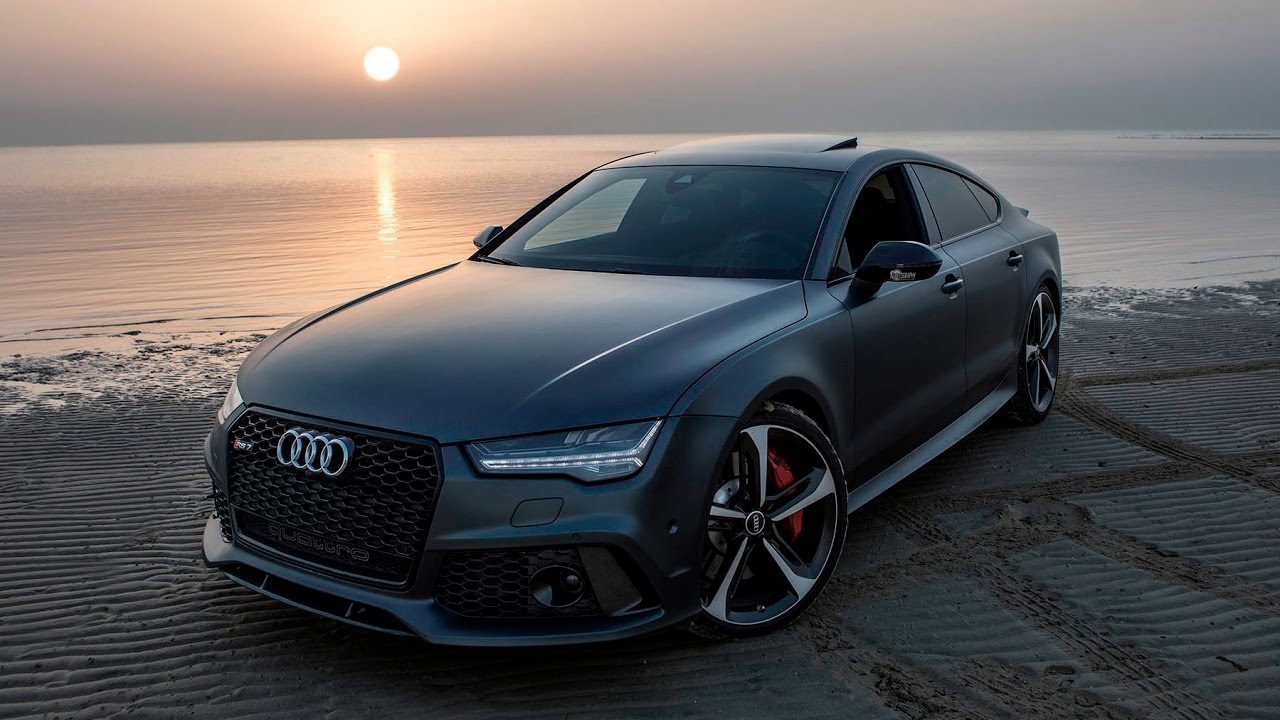
Audi’s choice to replace its petrol V8 with a diesel V6 in performance S variants of the A6and A7 looks uniformly negative on paper. This new car is less powerful and slower than the one it replaces and, while the economy has improved marginally, you won’t find Toyota engineers getting on the next plane to Ingolstadt to gain learnings for the new Prius.
But the German marque has form in this area – the first (and now current) SQ5 used a diesel engine and was all the more likable for it, likewise the current SQ7, which remains one of our favourite undercover performance cars on the market.
In fact we reckon the S7 TDI has been given a new character all of its own – a long-legged but rapid grand tourer that’s easier and cheaper to live with than the RS model. No longer just a less good version, then.
Is it an eight-cylinder diesel at least?
No. Powering the S7 is the 3.0-litre V6 shared with the new S6 and SQ5 – ostensibly the same unit as you’ll find in Audi cars badged 50 TDI, albeit with reinforcements to the pistons, crank, cylinder and cooling, plus a more powerful oil pump and injectors.
The 48v mild-hybrid system charges up a lithium ion battery in the boot – up to 8kW can be regenerated under braking – and allows for 40 seconds engine free coasting before firing up the engine again.
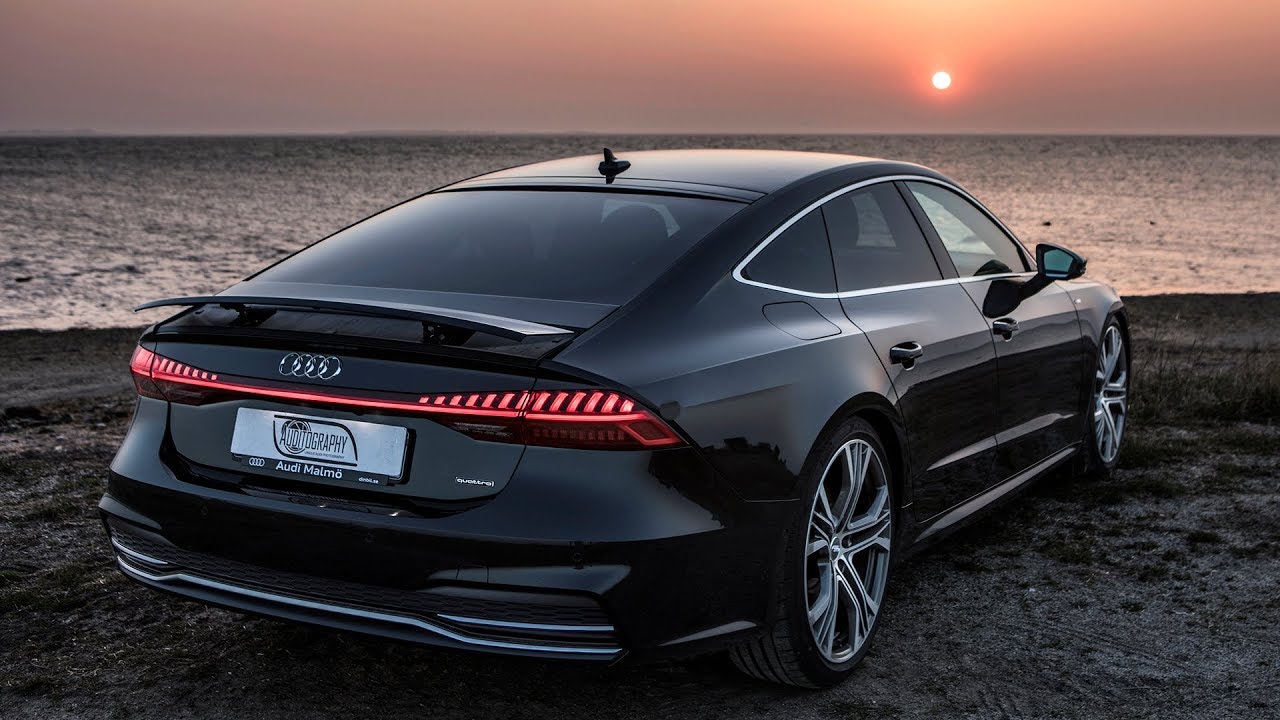
What we’re really interested in however is the little 7kW electric supercharger this subsystem powers. It accelerates to 70,000rpm in 250 milliseconds, aiding responsiveness and filling in the torque gap at low revs where there isn’t enough exhaust gas to stir the larger turbocharger.
Head-to-head, Audi says from a standing start this car will open up a 2.9 metre lead after 1.3 seconds of acceleration over an S7 without the tech. Tangible. It works in the real world too – the S7 doesn’t just feel fast but effortlessly so – you hardly sense any friction in the drivetrain after a press of the throttle as 516lb ft of torque is knocking on the door from 2500rpm. Consequently, it goes like a dropped anvil.
A diesel that responds like a petrol. Why not just use a petrol?
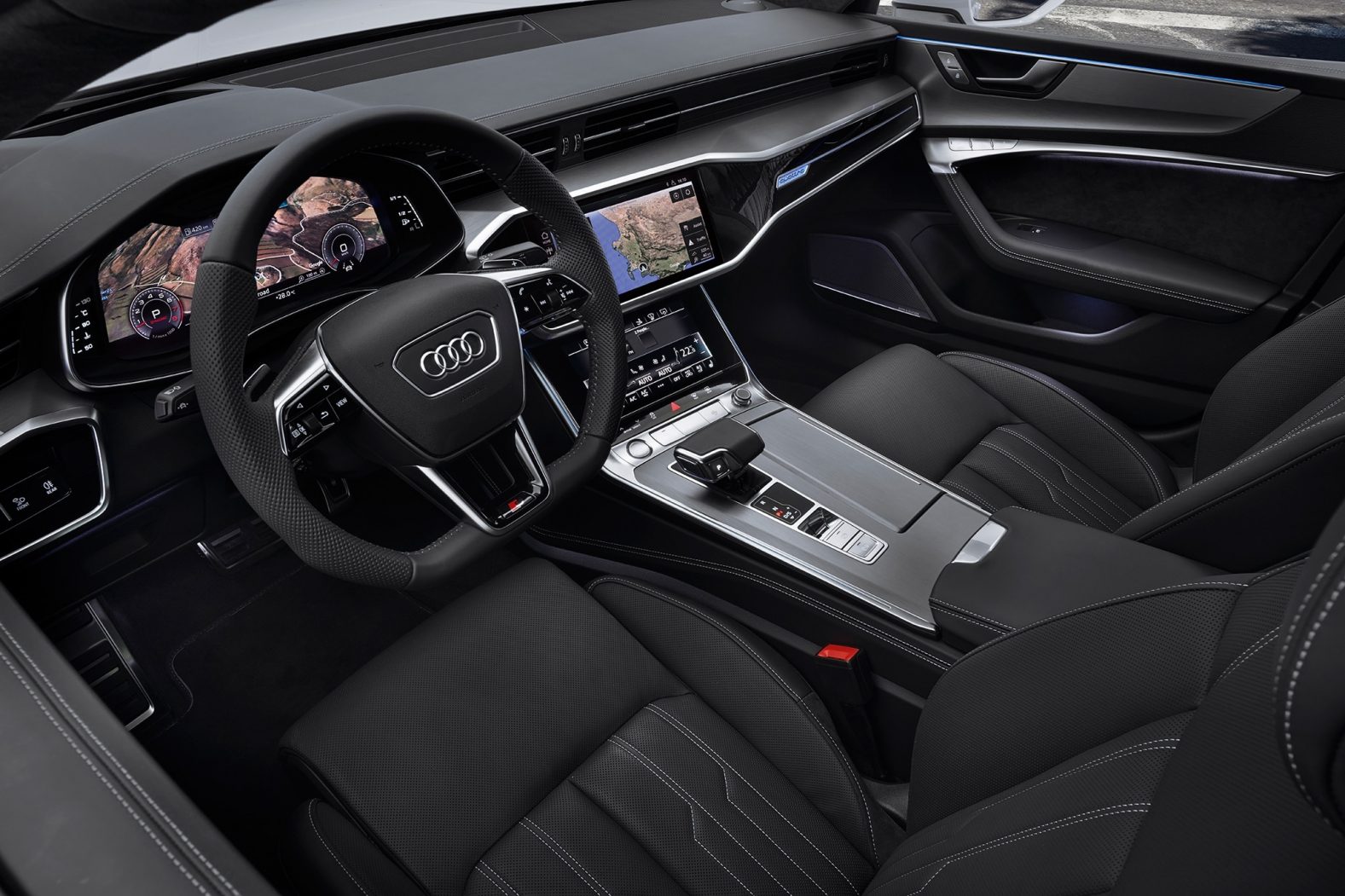
That’s a fair question and things get murkier still when you look at the figures on paper – the old S7 with its 4.0-litre V8 was 100bhp more powerful and half a second quicker from 0-62mph – new performance models are not normally slower than those they replace.
Thing is, while that sounds important in principal, in reality those numbers are largely irrelevant. Bear in mind this is the subtly fast S7, not the top-performance RS7, so it needs to be good at thundering down a motorway first and foremost, not impressing on an Alp. To that end the new engine’s torque figure trumps the old car’s 406lb ft, and the 35.8mpg it promises will mean a greater range and longer between fill ups. It’s less evocative than a hairy V8, but no less effective.
 Auto Nation